
Education
Why Universities Are Adding Blockchain to the Curriculum (And How to Partner)
Blockchain is moving from extracurricular to accredited coursework. Here's why universities are making the shift — and how schools can launch it through partnership.
The BLOKC Team · · 7 min read
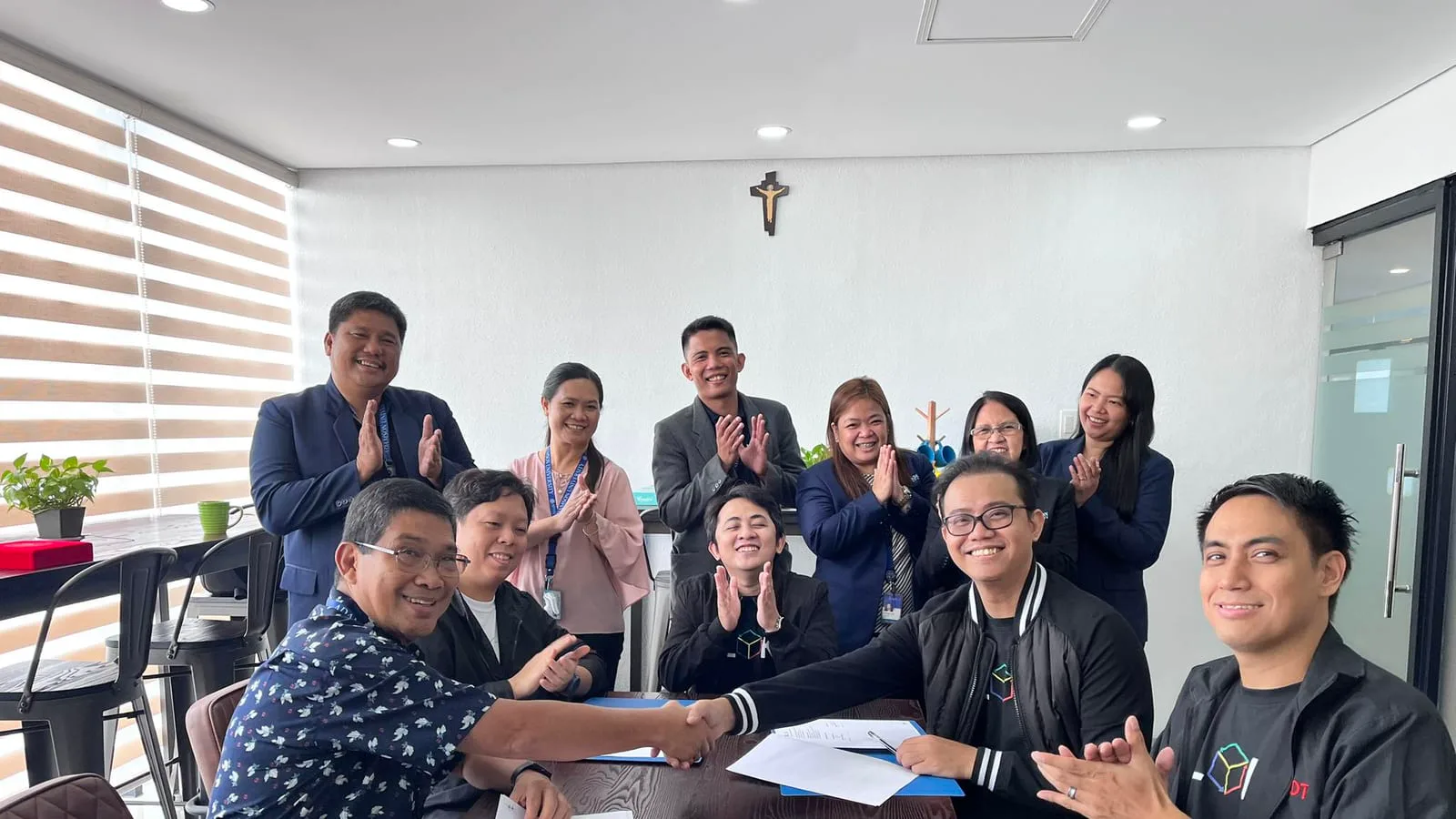
Not long ago, blockchain on campus meant a student club and the occasional guest talk. In 2026 it increasingly means accredited, for-credit coursework — electives, modules embedded in computer science and business degrees, and full certificate tracks. This shift is happening for concrete reasons, and for universities weighing whether to make the move, understanding those reasons is the first step.
From extracurricular to curriculum: what changed
Three forces pushed blockchain from the sidelines into the syllabus.
1. Students are demanding it
Filipino students are among the most Web3-aware in the world. Many encountered crypto, NFTs, or play-to-earn before they ever set foot in a university lecture hall. They arrive expecting their institution to prepare them for the digital economy they already participate in — and they notice when it doesn’t. Schools that offer credible blockchain education gain a real edge in enrollment and engagement.
2. The industry skills gap is widening
Employers across finance, supply chain, gaming, and technology need people who understand decentralized systems — and there aren’t enough of them. Traditional curricula move slowly; the technology moves fast. Universities that close this gap produce graduates who are immediately more employable, which feeds directly into institutional reputation and graduate outcomes.
3. Blockchain is now cross-disciplinary
Blockchain stopped being a niche computer-science topic. It now touches:
- Business and finance — DeFi, tokenization, payments, new business models.
- Law and policy — regulation, digital identity, smart contracts.
- Supply chain and operations — provenance and traceability.
- Art and media — digital ownership and creator economies.
That breadth means a blockchain offering can enrich many faculties, not just IT.
What a strong academic blockchain program looks like
Adding blockchain well is different from adding it for show. The programs that actually produce job-ready graduates share a few traits:
- Practical, not just theoretical. Students should deploy a smart contract, not only read about one. Hands-on labs beat lecture-only formats every time.
- Current and protocol-aware. Content that reflects today’s ecosystems — EVM, Solana, Move — rather than outdated generalities.
- Industry-connected. Guest practitioners, real project briefs, and pathways to internships and hackathons.
- Properly accredited. For-credit electives that count toward a degree carry far more weight with students than informal workshops.
Designing all of this in-house is a heavy lift for any faculty, which is exactly why most institutions partner rather than build from scratch.
How universities partner to launch blockchain courses
Few universities have blockchain specialists on faculty, current industry connections, and the time to build a curriculum from zero. Partnership solves all three at once. Through a university and industry partnership with The BLOKC, an institution can:
- Launch accredited elective courses with ready, regularly updated curriculum and syllabi.
- Bring in expert instructors who build in the industry, not just teach about it.
- Plug students into the ecosystem — internships, hackathons, and a national network of Web3 partners and protocols.
- Host flagship events on campus, like the free nationwide Blockchain Campus Conference series, which brings energy, visibility, and industry presence directly to students.
The BLOKC has been doing exactly this since 2017 — helping bring blockchain into Philippine classrooms before almost anyone else, from Luzon to Mindanao. That track record matters, because curriculum partnerships are long-term relationships, not one-off workshops.
What partnership delivers for each stakeholder
For the institution: a differentiated, future-facing program that attracts students, strengthens industry ties, and improves graduate employability — without building everything internally.
For faculty: co-teaching and upskilling alongside practitioners, plus curriculum that’s maintained externally as the technology evolves.
For students: practical, accredited skills, real credentials, and direct lines into internships, hackathons, and the Web3 job market.
Getting started
For a university ready to explore this, the path is straightforward:
- Identify the entry point — an elective, an embedded module, or a certificate track.
- Talk to a partner who can supply curriculum, instructors, and ecosystem access.
- Start visible — a Blockchain Campus Conference on your campus is a low-friction way to gauge student demand and signal commitment.
- Scale into accredited coursework through a formal partnership.
The bottom line
Blockchain in the university curriculum is no longer experimental — it’s a response to clear student demand, a widening industry skills gap, and the technology’s spread across disciplines. The institutions that move now will define the next generation of Web3 talent in the Philippines. And the fastest, most credible way to move is through partnership.
If your institution is ready to bring blockchain into the classroom, become a university and industry partner and let’s build the program together.